


Blog
6 Fun Facts About Traffic Signs
Monday September 09, 2019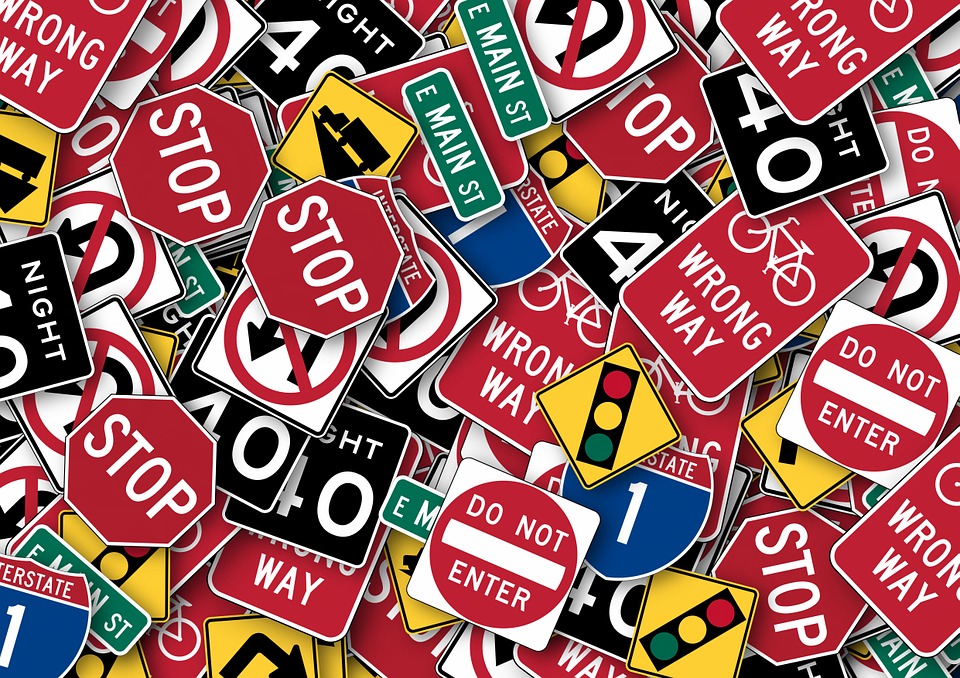
Traffic signs play a critical role in our nation's transportation infrastructure. Consisting of physical signs placed above or near a road, they provide information to motorists, cyclists and pedestrians. While you're probably familiar with the general purpose of road signs, though, you might be surprised to learn the six following facts about them.
The Complete Guide to Centralized Mail Delivery Systems
Monday September 02, 2019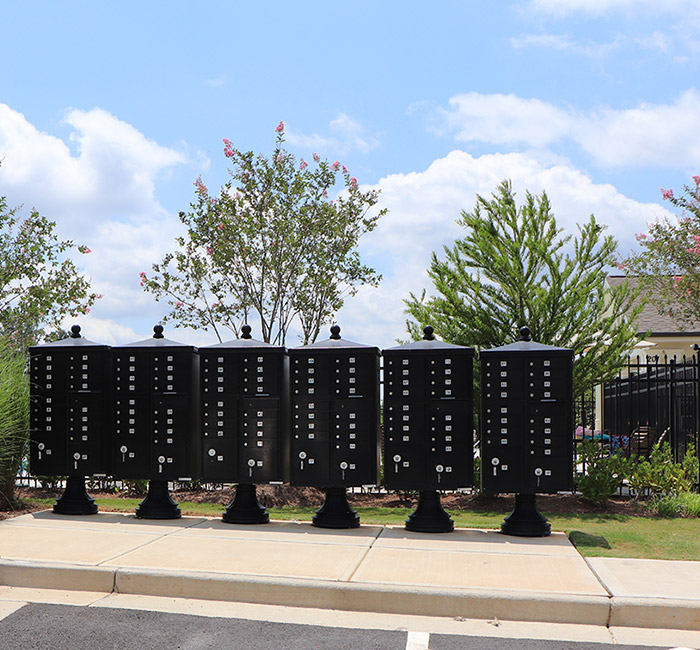
Don't limit yourself to traditional curbside mailboxes when planning mail delivery for your neighborhood or residential community. While the United States Postal Service (USPS) permits the use of curbside mailboxes for single-unit homes, a more efficient, secure, and modern option is a centralized mail delivery system. Since emerging in the mid- to late 1960s, these systems—such as cluster box units (CBUs) and multi-unit mailboxes—have become increasingly popular in subdivisions, apartment complexes, and HOAs across the country. If you're unfamiliar with how community mailbox systems work or whether they're the right fit for your project, this guide will help you decide.
What Is Pedestrian Wayfinding Signage?
Monday August 26, 2019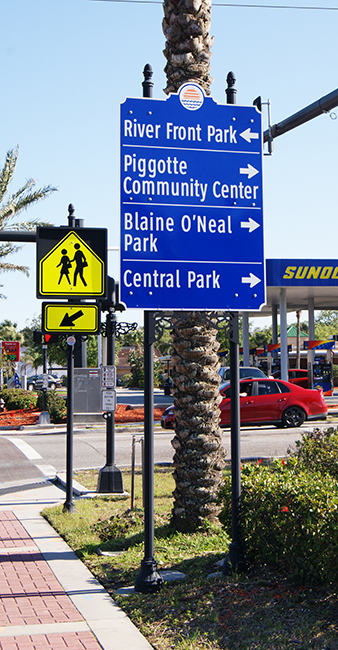
Not all wayfinding signs are designed for motorists. Some are designed for pedestrians. Known as pedestrian wayfinding signage, it offers guidance for pedestrians, cyclists and other people who use a sidewalk or roadside area. Like conventional wayfinding signage, it contains information and/or directions that serve as guidance. The difference, however, is that pedestrian wayfinding signage is designed for pedestrians, whereas conventional wayfinding signage is designed for motorists. Because of this nuance, there are several things property developers must consider when installing and using pedestrian wayfinding signage.
STD-4C Mailboxes: How They Differ From the Old STD-4B Standard
Monday August 19, 2019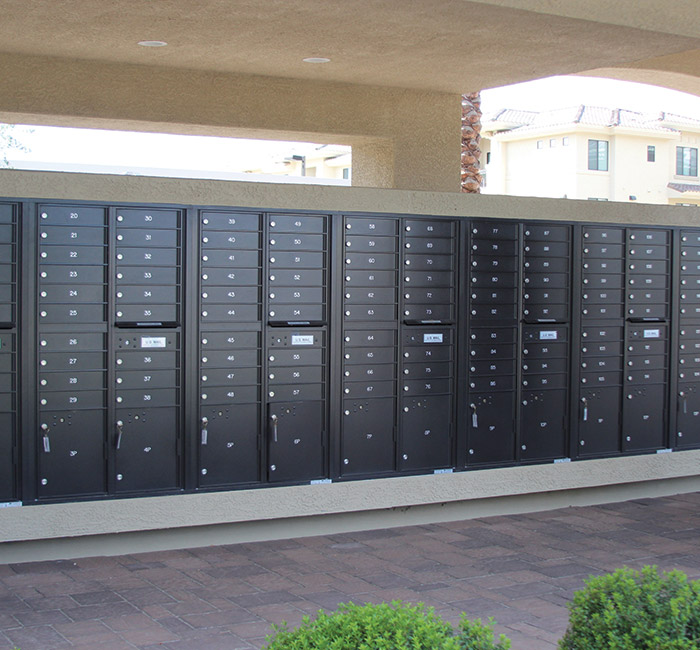
The United States Postal Service (USPS) has been encouraging homeowners and business owners to use centralized mail delivery systems for decades. In 1967, the USPS introduced the first residential curbside Cluster Box Units (CBUs). A form of centralized mail delivery, CBUs streamlined the delivery of mail by providing mail couriers with a single drop-off point for multiple residences. Since then, the USPS has released specifications for other forms of centralized mail delivery systems, including STD-4B and the newer STD-4C.
Learn MoreDoor Slots vs Traditional Mailboxes: Which Is Best?
Monday August 12, 2019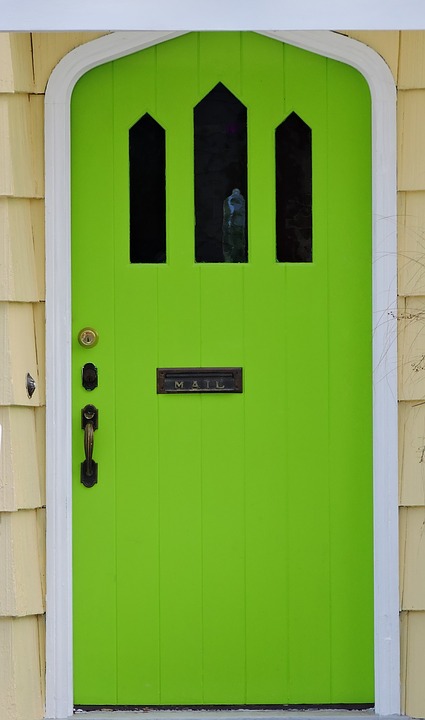
Contrary to what some people believe, the United States Postal Service (USPS) doesn't require each home or residential building to have a traditional mailbox. An alternative form of mail reception allowed by the USPS is a door slot. As shown below, a door slot is a rectangular-shaped hole in which mall is inserted. The mail courier can slide the tenants' mail into the slot, at which point it will fall onto the floor or in a bucket inside the tenants' home. So, which is these mail delivery solutions work best?
5 Reasons to Include Outdoor Lighting in Your Residential Community
Monday August 05, 2019
When developing a neighborhood or residential community, don't overlook the importance of outdoor lighting. While mailboxes and signs are important, outdoor lighting is also important. Regardless of the size of your residential community or where it's located, it can benefit from the use of outdoor lighting in the five following ways.
What to Consider for Residential Entrance Signage
Monday July 22, 2019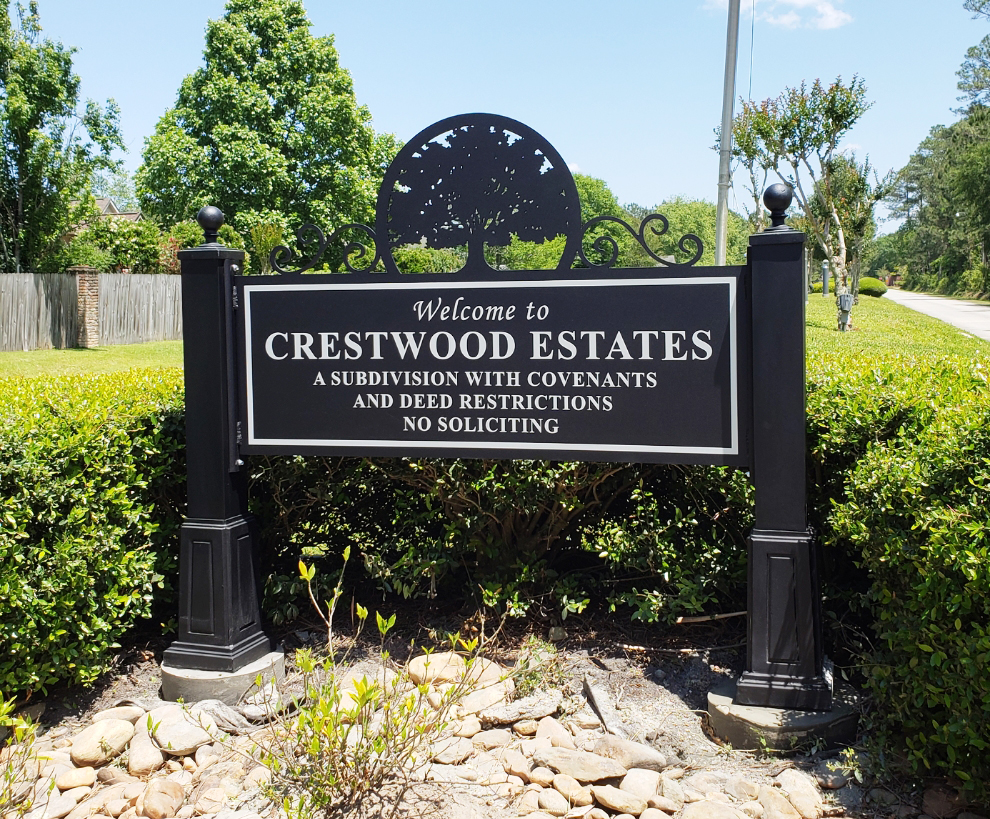
Whether you're developing a new residential community or refreshing an existing one, choosing the right entrance and wayfinding signage is essential. As the first thing residents and visitors see, entrance signage sets the tone and creates a lasting first impression that shapes how your neighborhood is perceived. From material and reflectivity to logo, color, and shape, the right design choices impact everything from curb appeal and branding to wayfinding clarity. Discover the top five factors to consider so your community signage makes that first impression count.
Explore Smart Signage OptionsCluster Box Units vs STD-4C Mailboxes: What's the Difference?
Monday July 15, 2019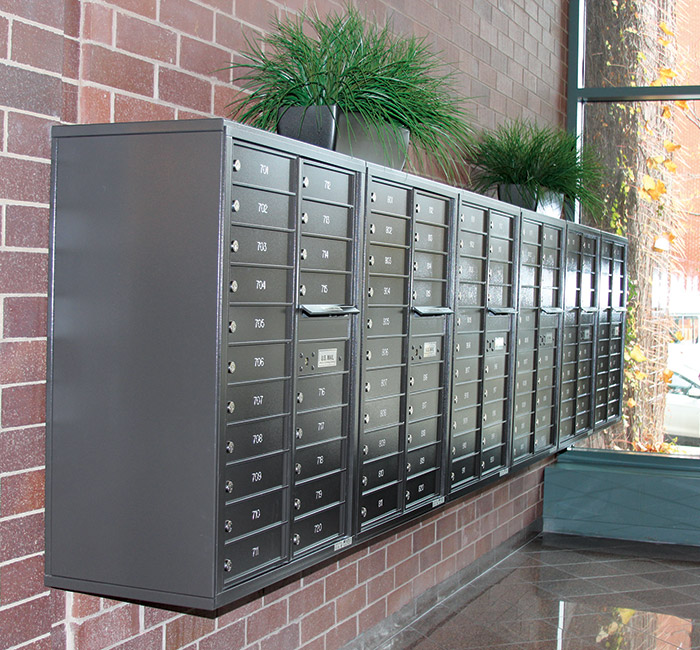
Cluster Box Units (CBUs) and STD-4C mailboxes are two of the most common centralized mailbox systems used in residential and commercial developments. Designed for efficiency and security, these multi-unit mailboxes allow postal carriers to deliver to a single location rather than individual curbside boxes. While similar in function, CBUs and STD-4C mailboxes differ in design, installation method, and USPS compliance requirements. Understanding these differences is key to choosing the right mailbox solution for your community or property.
Maintenance Requirements for Decorative Street Signs
Monday July 08, 2019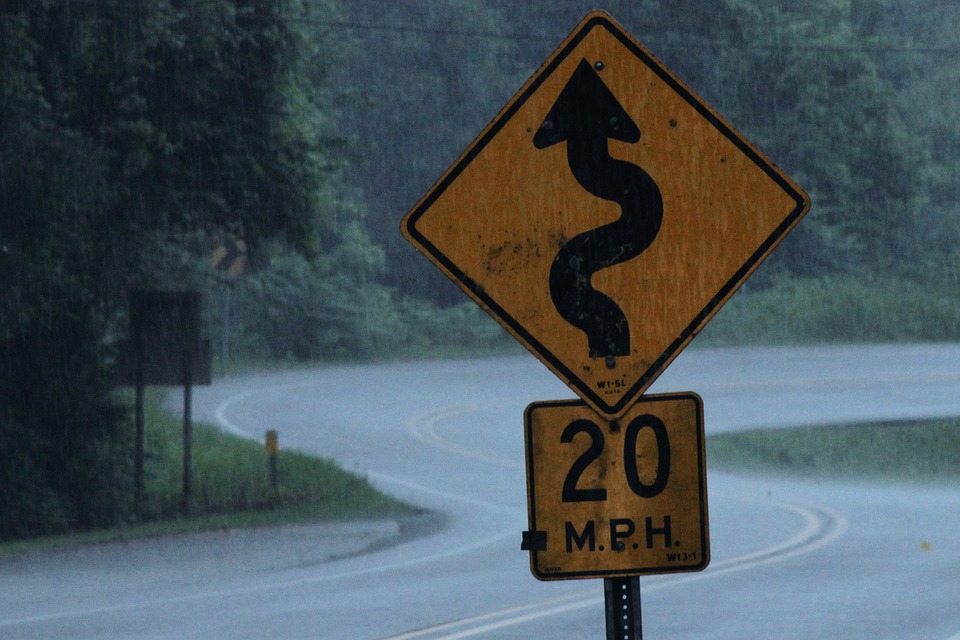
Decorative traffic signs play a crucial role in safely guiding motorists, pedestrians, and cyclists while contributing to a community’s aesthetic identity. But even beautiful signage can become a liability if poorly maintained. This post outlines key FHWA requirements and best practices for cleaning, vegetation control, damage response, and record-keeping for decorative street signs.
Learn More About Decorative Sign MaintenanceLED-Flashing Stop Signs: Are They Legal?
Monday July 01, 2019
While all stop signs used in the United States feature a distinguishable octagon shape with a red background and white lettering, some featured added light-emitting diodes (LEDs). Known as LED-flashing stop signs, they are commonly used as heavily trafficked four-way stops. Because they flash, however, some property developers assume they are illegal. So, can you safely use LED-flashing stop signs, or should you stick with your traditional non-flashing stop signs for your project?