HOA Curb Appeal Improvements That Make a Lasting Impact
Small HOA Upgrades That Improve Community Curb Appeal
Monday June 15, 2026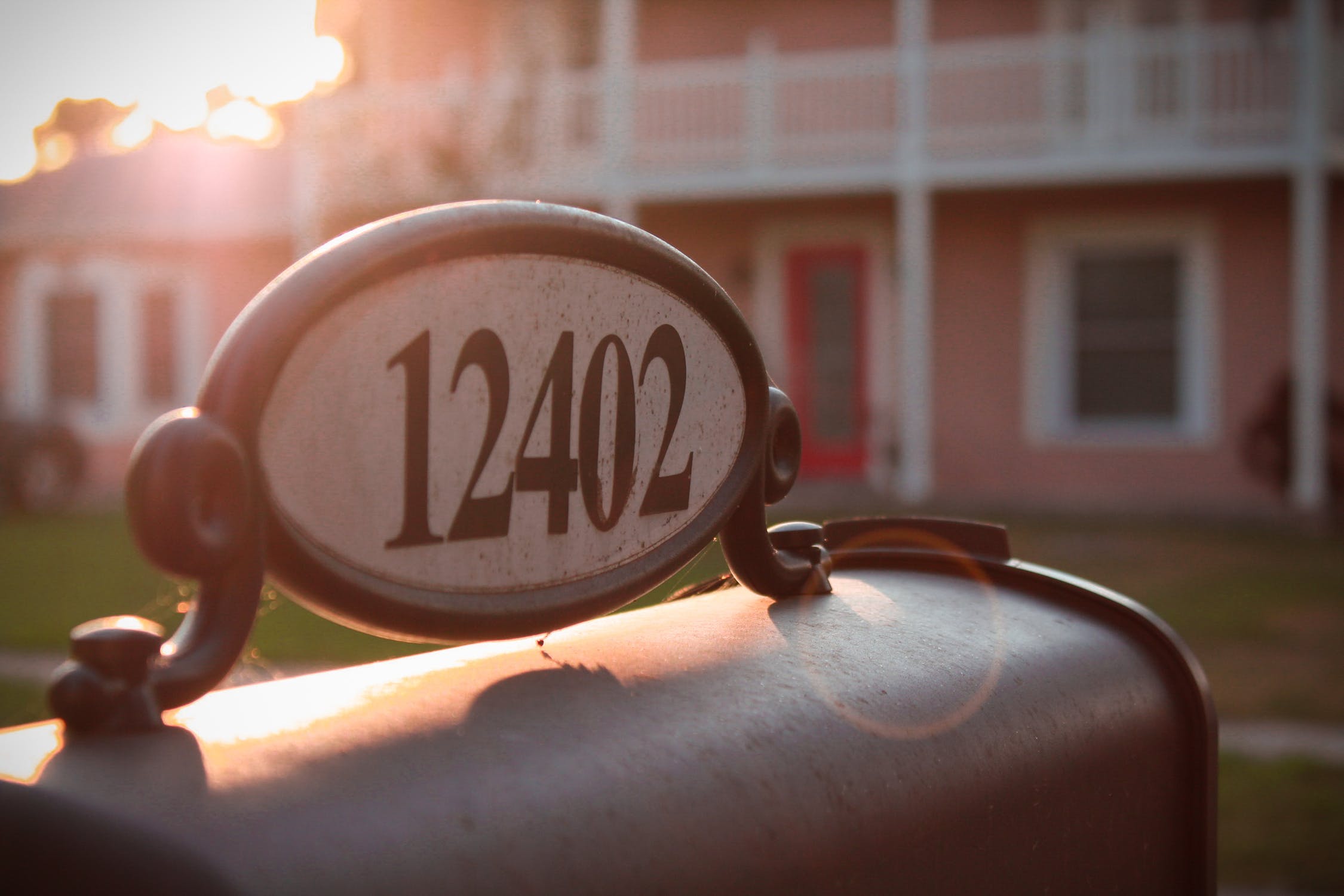
HOA Curb Appeal Improvements That Make a Lasting Impact
Community curb appeal is not created by landscaping alone.
Residents, visitors and prospective buyers experience a neighborhood through the entire streetscape: the entrance sign, street signs, mailboxes, lighting, message boards, benches and other shared elements they encounter every day.
When those features are coordinated and well maintained, a community feels intentional. When they are faded, mismatched, damaged or outdated, even a well-kept neighborhood can begin to look neglected.
For HOA boards, property managers, developers and community association managers, improving curb appeal does not always require a major capital project. A focused set of mailbox, signage and amenity upgrades can make a visible difference while also improving function, maintenance and consistency.
Why Community Curb Appeal Matters
The appearance of a neighborhood communicates how it is managed.
Well-maintained shared features can:
Create a stronger first impression
Reinforce community identity
Support consistent architectural standards
Improve resident satisfaction
Make common areas easier to use
Reduce the visual clutter caused by mismatched replacements
Support long-term property marketability
Curb appeal also affects how residents experience the community every day. A faded entrance sign or row of damaged mailboxes may seem minor in isolation, but repeated visual inconsistencies can make the entire development feel less cared for.
That is particularly noticeable in master-planned communities, condominium developments and HOA neighborhoods where shared design standards are part of the original appeal.
Begin With a Community-Wide Visual Review
Before replacing individual items, conduct a simple review of the neighborhood’s shared streetscape elements.
Look at:
Community entrance signs
Cluster Box Units
Decorative street signs
Wayfinding signs
Outdoor message boards
Benches and site furnishings
Lighting
Pet waste stations
Bollards
Posts, brackets and mounting hardware
Common-area landscaping around installed products
The purpose is not simply to make a repair list. It is to identify patterns.
Are residents replacing mailboxes with unrelated styles? Are street signs fading at different rates? Are several product finishes competing with one another? Are damaged posts being repaired inconsistently? Are common-area elements reaching the end of their useful life at roughly the same time?
A community-wide review helps the HOA decide whether isolated maintenance is still practical or whether a coordinated replacement plan will produce a better long-term result.
Refresh or Replace Curbside Mailboxes
Curbside mailboxes are among the most frequently repeated design elements in a residential community.
When every property uses the same mailbox and post system, that repetition creates a clean visual rhythm along the street. When boxes, posts, numbers and finishes begin to vary, the streetscape can quickly lose its cohesion.
A basic mailbox refresh may include:
Cleaning mailbox surfaces
Repainting approved finishes
Replacing faded address numbers
Straightening leaning posts
Tightening loose hardware
Replacing damaged doors, flags or decorative components
When deterioration is widespread, however, repeated repairs may cost more than a planned community mailbox replacement program.
A coordinated HOA mailbox replacement can help:
Restore a uniform neighborhood appearance
Maintain approved community standards
Simplify future replacement ordering
Reduce improvised homeowner substitutions
Improve durability
Create a more consistent installation process
For communities in Tampa Bay, including areas such as New Tampa, Westchase, Riverview, FishHawk Ranch, Wesley Chapel and Apollo Beach, mailbox materials and finishes should also be selected with heat, humidity, heavy rain and strong ultraviolet exposure in mind.
Standardize HOA-Approved Replacement Mailboxes
One of the most common long-term curb appeal problems develops when an original mailbox model becomes unavailable or the HOA no longer has a clear replacement standard.
Homeowners then purchase whatever appears close enough.
Over time, the neighborhood accumulates different mailbox sizes, post styles, finishes, address plaques and installation heights. No individual replacement may seem disastrous, but the cumulative effect is visual drift.
An HOA-approved mailbox program should clearly define:
The approved mailbox model
Post and mounting style
Finish and color
Address-number format
Decorative options
Installation height and placement
Replacement-part availability
Ordering procedures
Providing residents with a straightforward approved source reduces uncertainty and makes architectural enforcement easier.
Forsite’s HOA order forms can also help communities maintain consistent replacement standards without requiring the board or management company to manually coordinate every individual purchase.
Consider Centralized Mailbox Systems
Some communities may benefit from replacing individual delivery points with centralized mailbox systems.
USPS-approved Cluster Box Units can provide:
Secure individual mail compartments
Integrated parcel lockers
Centralized mail delivery
A more organized installation footprint
Reduced duplication of individual mailbox maintenance
A consistent appearance for new phases or redeveloped areas
Centralized mail systems are particularly relevant for:
New residential developments
Townhome communities
Condominium properties
Multifamily housing
Master-planned communities
Communities redesigning common areas
Developments with recurring curbside mailbox damage
The practical requirements must be coordinated with the USPS early in the planning process. Placement, accessibility, lighting, pedestrian routes and vehicle access should be considered together rather than treating the CBU as an isolated metal cabinet.
A well-designed mailbox station may also incorporate a shelter, lighting, paving, landscaping, waste receptacles or nearby community information displays.
Update Community Entrance Signage
The entrance is where the community introduces itself.
A worn or outdated entrance sign can undercut the appearance of the landscaping, architecture and homes behind it. Conversely, a well-designed sign can reinforce community identity before a visitor reaches the first residence.
Entrance-sign improvements may include:
Replacing faded lettering
Updating community logos
Repairing damaged sign panels
Coordinating sign colors with other streetscape elements
Adding or replacing decorative posts
Improving nighttime visibility
Updating landscape integration
Replacing deteriorated monument components
For large communities with multiple villages or entrances, consistency matters. Primary entrances, secondary gateways, neighborhood markers and amenity signs should belong to the same visual family even when they differ in scale.
Replace Faded or Inconsistent Street Signs
Street signs are functional infrastructure, but they also contribute heavily to neighborhood character.
Decorative neighborhood street signs can help create a more distinctive streetscape than standard municipal-style installations, particularly in private communities and master-planned developments.
A coordinated street-sign system may include:
Custom street-name signs
Decorative sign posts
Ornamental bases and finials
Coordinated stop-sign posts
Community-specific colors
Logo or emblem elements
Consistent directional and wayfinding signs
When reviewing street signs, communities should evaluate more than appearance.
Readability, reflectivity, mounting height, visibility, durability and applicable traffic requirements all matter. Decorative treatments should never make the sign harder to identify or understand.
Improve Wayfinding in Larger Communities
Large developments often contain multiple entrances, villages, amenities, pools, clubhouses, mail stations, trails and visitor parking areas.
Without clear wayfinding signage, guests and service providers may rely entirely on phone navigation, which does not always direct people to the correct entrance or internal destination.
Community wayfinding signs can identify:
Clubhouses
Pools
Fitness centers
Mail stations
Visitor parking
Leasing or management offices
Parks and playgrounds
Trails
Sports courts
Neighborhood villages
Emergency exits
Delivery routes
Communities such as Tampa Palms, FishHawk Ranch, Waterset, Meadow Pointe, Starkey Ranch and Bexley illustrate the kind of large, multi-amenity development where internal navigation can become part of the resident and visitor experience.
These names should be used only as examples of community scale and complexity, not as claims of Forsite involvement.
Add or Upgrade Outdoor Message Boards
An outdoor community message board gives residents a visible place for official information.
It can be used for:
HOA meeting notices
Community events
Pool or clubhouse information
Maintenance schedules
Holiday reminders
Emergency notices
Landscaping updates
Rules and amenity closures
A weatherproof outdoor bulletin board should be selected for the installation environment and expected use.
Important considerations include:
Lockable access
Weather-resistant construction
Shatter-resistant glazing
Interior display size
Post-mounted or wall-mounted installation
Header customization
Lighting
Ease of changing notices
For communities relying heavily on email or resident portals, a physical message board still provides an accessible, visible backup for people who may miss digital communications.
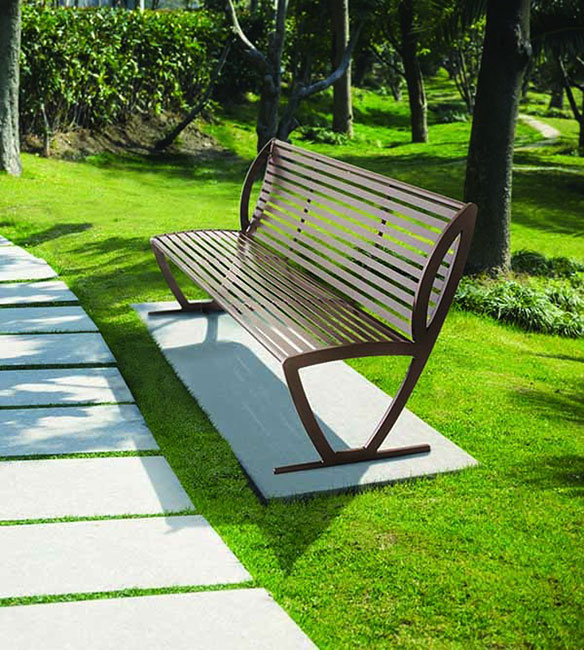
Refresh Site Furnishings and Shared Amenities
Benches, waste receptacles, pet stations and bollards may not attract attention when they are working well, but they become conspicuous when damaged or mismatched.
Useful site-furnishing improvements include:
Replacing deteriorated benches
Adding seating along walking paths
Installing pet waste stations
Coordinating trash receptacles with other furnishings
Adding bollards where pedestrian protection is needed
Improving common-area gathering spaces
Replacing mismatched or temporary fixtures
The strongest visual results come from selecting a coordinated family of products rather than treating each purchase as an unrelated maintenance item.
A bench, message board, light fixture and sign post do not need to be identical, but their materials, finishes and proportions should feel compatible.
Evaluate Community Lighting
Lighting contributes to both curb appeal and usability.
Decorative outdoor lighting can help illuminate:
Entrance signs
Mailbox stations
Walking paths
Clubhouse approaches
Community directories
Parking areas
Gathering spaces
Older fixtures may also be visually inconsistent with newer signage or site furnishings.
When lighting is part of a broader streetscape update, communities should consider fixture style, finish, light distribution, energy use, maintenance access and the effect on nearby residences.
Pay Attention to the Finishing Details
Large improvements can be weakened by neglected details.
After replacing mailboxes, signs or furnishings, inspect the surrounding installation area.
Finishing work may include:
Refreshing mulch
Trimming vegetation that blocks signs
Repairing disturbed turf
Cleaning concrete pads
Removing abandoned hardware
Aligning posts
Replacing temporary fasteners
Correcting inconsistent address numbers
Touching up nearby paint
Removing outdated signs and brackets
These final details help the installation look intentional rather than recently patched.
Plan Improvements in Phases
Not every HOA can or should replace every shared feature at once.
A phased curb appeal plan may begin with the most visible or deteriorated elements and proceed according to budget and operational need.
A practical sequence might be:
Community entrance signs
Damaged or inconsistent curbside mailboxes
Street signs and wayfinding
Centralized mailbox stations
Message boards
Benches and site furnishings
Landscaping and finishing details
Phasing allows the community to create a long-term standard without delaying every improvement until one large project can be funded.
The important step is choosing the design direction early so each phase contributes to the same finished streetscape.
Create a Replacement and Maintenance Standard
A successful community upgrade should make future maintenance easier.
Document:
Approved products
Colors and finishes
Replacement-part numbers
Installation specifications
Vendors and ordering procedures
Inspection schedules
Cleaning recommendations
Repair responsibilities
Architectural-review requirements
This prevents the same inconsistency from returning several years after the improvement project is completed.
It also gives future board members and property managers a clear record of what was selected and why.
Bring Mailboxes, Signage and Amenities Together
Community curb appeal is strongest when shared features are planned as one system.
Forsite works with HOAs, community association managers, developers, builders and municipalities to coordinate:
Curbside mailboxes and posts
HOA mailbox replacement programs
Centralized mailbox systems
Decorative street signs
Wayfinding signage
Community entrance signs
Outdoor message boards
Site furnishings
Outdoor lighting
Replacement parts and standardized ordering
The goal is not simply to make the neighborhood look newer. It is to create a more cohesive, durable and manageable community environment.
Planning Community Curb Appeal Improvements?
Whether your HOA needs consistent replacement mailboxes, updated street signs, a centralized mailbox system or refreshed site amenities, Forsite can help you coordinate the project around your community’s design standards and practical needs.
Contact Forsite to discuss your HOA mailbox, signage or streetscape improvement project.