


A Practical Funding Guide for Municipalities & Revitalization Organizations
Turning Community Pride into Progress: A Practical Funding Guide for Municipalities & Revitalization Organizations
Friday February 20, 2026Beautiful streetscapes don’t happen by accident — and they don’t have to strain municipal budgets either.
From decorative street, wayfinding and entrance signs to benches, planters, kiosks, and public art, community enhancements can be funded through a thoughtful blend of grants, partnerships, sponsorships, and grassroots support.
At Forsite, we work alongside municipalities, Main Street programs, business district authorities, and revitalization groups to help bring these projects to life — strategically and sustainably.
Here’s how communities can fund meaningful improvements that enhance pride, visibility, and long-term economic vitality.
Start with Grants & Structured Funding Programs
Many streetscape and signage projects qualify for public funding sources. These programs are often designed specifically to improve walkability, beautification, tourism appeal, and economic development.
Common Funding Sources:
✔ State & Local Grants
- Community Development Block Grants (CDBG)
- State revitalization and beautification funds
- Tourism and heritage grants
- Transportation enhancement grants
✔ Main Street & Downtown Programs:
- Façade improvement grants
- Streetscape matching funds
- Design assistance
- Placemaking and branding support
✔ County & Regional Development Funds
Economic development agencies frequently allocate funding for wayfinding signage, monument and gateway signs, pedestrian amenities and downtown beautification efforts.
When layered strategically, these funding sources can cover a substantial portion of a project — from entrance monuments to coordinated street signage systems.
Sponsorship & Community Donation Programs
Public funding is powerful — but community buy-in is transformational.
Creative sponsorship models allow residents and businesses to directly participate in revitalization while helping offset project costs.
Sponsorship Ideas That Work:
- Adopt-A-Sign Programs
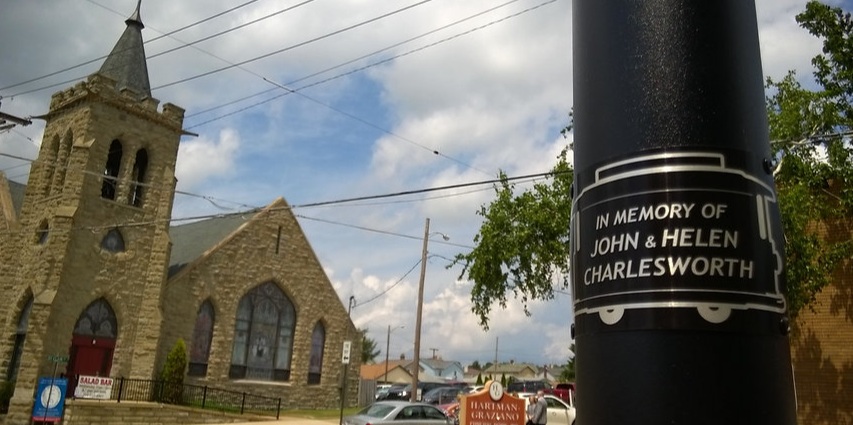
- Commemorative plaques honoring loved ones
- Business-sponsored street signs
- Bench or planter sponsorships
- Branded wayfinding elements
When designed thoughtfully, these programs create:
- Revenue streams for beautification
- Emotional connection to the project
- Increased local pride
- Business visibility opportunities
CASE STUDY: Latrobe's Creative Funding Model
A recent partnership with the Latrobe Community Revitalization Program in Latrobe, Pennsylvania, demonstrates how layered funding and collaboration can produce meaningful results.
The Concept: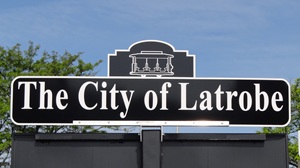
We helped them develop Mister Rogers’ Neighborhood Trolley street signs — a nod to the city’s proud heritage and its most famous citizen.
- Black and silver decorative signs replaced existing city street signs.
- Each sign included a plaque honoring a loved one, donated by an individual or sponsored by a business.
- The program created a creative and unique fundraising opportunity while enhancing neighborhood identity.
This approach allowed residents to invest personally in beautification efforts — while celebrating something deeply rooted in the community’s story.
Additional Improvements Funded Through Grants:
- A new historical kiosk highlighting the story of Latrobe and map
- Benches, planters, and litter receptacles
Local and county grants supported these enhancements, while cooperation between the city’s public works department, revitalization groups and community volunteers was the key to executing the overall project successfully.
This layered model — grants + sponsorships + municipal coordination — maximized impact without overwhelming any single funding source.
Don't Overlook Traditional Municipal Budget Planning
Even when grants and sponsorships play a large role, phased capital planning is still important.
Communities often fund projects through:
- Annual capital improvement budgets
- Infrastructure line items
- Phased multi-year improvements
- Replacement schedules (upgrading as items age out)
Replacing aging street signs or amenities with upgraded, decorative systems during routine replacement cycles can significantly reduce incremental costs.
Volunteer Engagement Reduces Costs & Builds Momentum
Volunteer groups can help with:
- Installation assistance
- Community cleanup days
- Fundraising events
- Public awareness campaigns
When residents see neighbors participating, projects gain legitimacy, excitement, and long-term support. Beautification becomes a shared mission — not just a municipal initiative.
Think Beyond ‘Signs’ — Think Placemaking
Street signs and monument markers are not just infrastructure. They are:
- Branding tools
- Economic development drivers
- Tourism enhancers
- Pride builders
- Wayfinding systems
- Community storytelling platforms
When integrated into a cohesive streetscape plan, these elements elevate how visitors and residents experience a place.
Final Thought: Beautification Is an Investment — Not an Expense
When thoughtfully funded and collaboratively executed, street signs, monument signs, and streetscape amenities do more than enhance curb appeal.
They strengthen identity.
They attract visitors.
They support local businesses.
They build pride.
And with the right funding strategy — grants, sponsorships, phased budgeting, and community engagement — these projects are far more attainable than many communities realize.
