


Streetscapes for Community Identity and Outdoor Environments
Streetscapes Design Elements for Cohesive and Functional Public Spaces
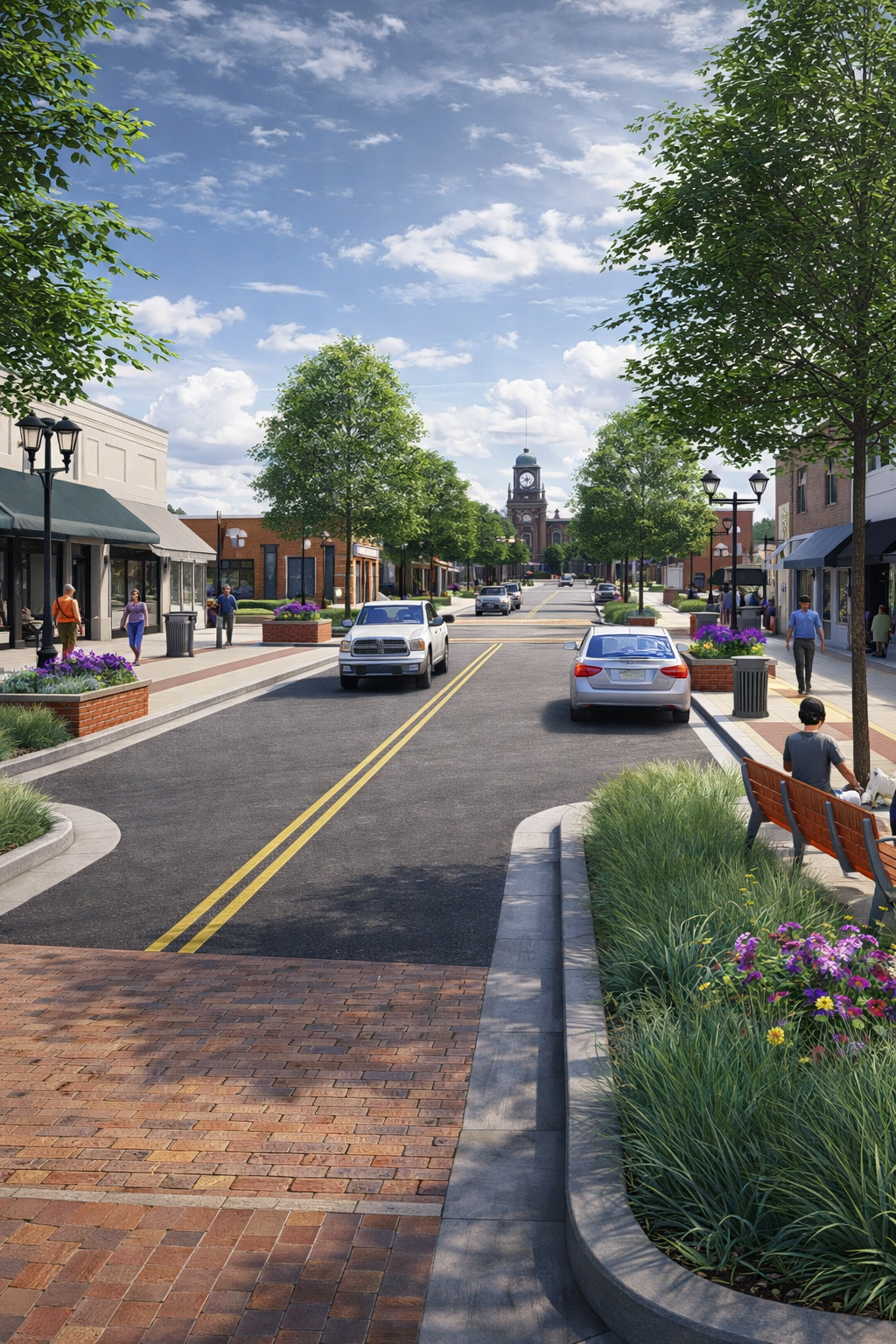
Streetscapes are the visible framework of an outdoor environment. They bring together the signs, site furnishings, architectural details, wayfinding elements, lighting, mailbox systems, and visual features that shape how a street, neighborhood, campus, or commercial district feels to the people moving through it. When done well, streetscapes create a sense of order, identity, and place. They help a development feel intentional rather than pieced together from a box of leftover site decisions and municipal compromise.
For residential communities, mixed use developments, downtown districts, campuses, commercial properties, and public spaces, streetscapes play a central role in both appearance and function. They influence how visitors navigate the area, how residents experience the environment, and how the overall property or district is perceived from the curb. Streetscape elements can include signage, decorative posts, lighting, benches, site markers, planters, mail centers, pedestrian oriented features, and architectural accents that support a unified visual language across the environment.
A strong streetscape does more than beautify a property. It helps create consistency across multiple site features so that different components feel like they belong together. That consistency matters in large developments and shared environments where visual cohesion can support branding, reinforce property character, and improve the user experience. When signs, site furnishings, and outdoor structures are aligned in style, finish, scale, and placement, the environment feels more polished, more navigable, and more memorable. In other words, it stops looking like five committees lost a fight in a parking lot.
Streetscapes also support practical goals. They can improve wayfinding, define gathering spaces, strengthen pedestrian friendliness, enhance curb appeal, and contribute to the long-term usability of the site. In residential neighborhoods, streetscapes help build community identity and elevate perceived value. In commercial and mixed use settings, they help shape brand presence, improve first impressions, and make outdoor areas feel more welcoming and organized. In civic and institutional spaces, they can support accessibility, orientation, and a stronger sense of place.
Because streetscapes affect both design and daily experience, they deserve a thoughtful and coordinated approach. The right streetscape strategy can help tie together visual character, navigation, and functional site planning into one coherent outdoor environment. Whether the goal is to improve a neighborhood entrance, unify a multifamily development, strengthen a commercial corridor, or create a more attractive public space, streetscapes provide the connective tissue that turns scattered site elements into a recognizable place with presence, purpose, and a little civic swagger.
Frequently Asked Questions
What are streetscapes
Streetscapes are the visual and functional elements that define the character of a street, neighborhood, campus, commercial district, or public space, including signage, furnishings, lighting, and site features.
Why are streetscapes important
Streetscapes help improve appearance, wayfinding, pedestrian experience, community identity, and overall cohesion across an outdoor environment.
Where are streetscapes used
Streetscapes are commonly used in residential communities, downtown districts, mixed use developments, campuses, commercial properties, and public spaces.
What can be included in a streetscape
A streetscape can include wayfinding signs, decorative posts, benches, planters, lighting, entry monuments, mailbox systems, pedestrian features, and other coordinated site elements.
Glossary
Streetscape
The combination of physical design elements that shape the appearance, function, and identity of a street or outdoor environment.
Wayfinding
A system of visual cues and signage that helps people navigate through a property, campus, district, or public area.
Site furnishings
Outdoor elements such as benches, planters, trash receptacles, lighting, and related features used to support both function and appearance.
Sense of place
The distinctive identity and atmosphere created by coordinated design, architecture, landscaping, and site features within a location.
GET IN TOUCH
Have questions or need pricing? We specialize in helping entire communities achieve a beautiful and unified aesthetic theme throughout.
Contact Us